Asbestos removal Manchester
For the premises you manage. For the work you need to start. Commercial asbestos services, from investigation to controlled removal.
Discuss Your Project
Make The Next Move With The Facts.
Asbestos Removal Manchester helps commercial property managers, landlords and contractors define the asbestos work their premises need. That may begin with a survey, progress to a controlled removal project or result in suitable material staying in place under a management plan. The first decision is what the evidence says, rather than which product or removal method to buy.
A Manchester project can involve an occupied office, an industrial unit, a school estate or a former mill being refitted for commercial use. Building age, alterations and maintenance history all affect where suspect materials might be found. A modern interior does not establish what sits behind a ceiling, inside a riser or beneath a later floor finish.
Tell us what has been identified and what you intend to do next. We use the building use, survey information and proposed disturbance to establish the next useful step. If you have no report, describe the concern without disturbing the material to investigate it yourself.
From The First Survey To The Final Waste Note.
Choose the support your commercial project needs.
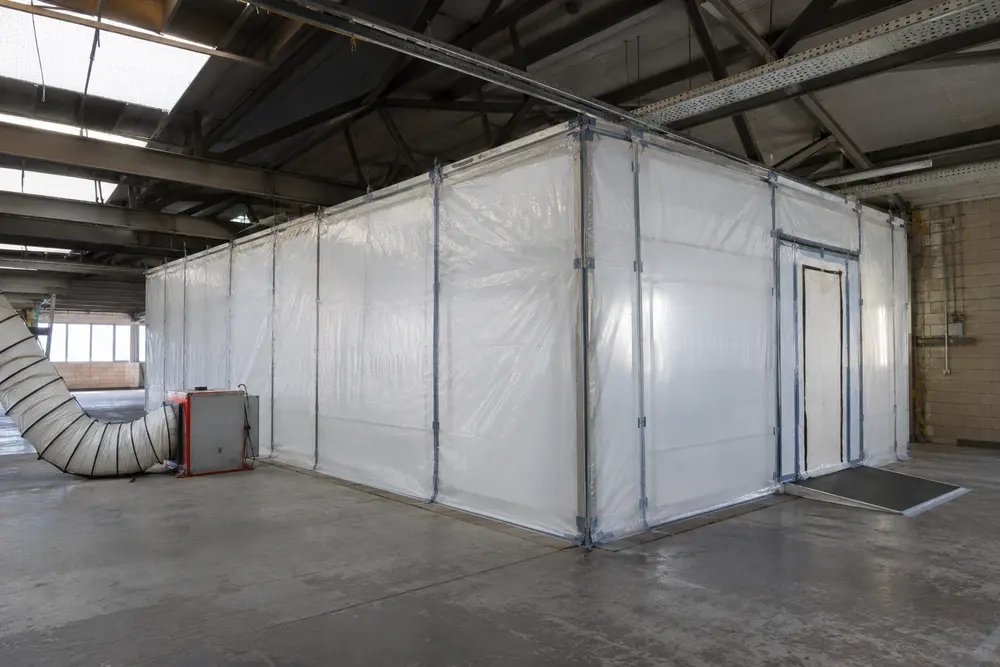
Licensed Asbestos Removal
Higher-risk materials. A controlled removal plan. A documented handover for your Manchester premises.Explore Service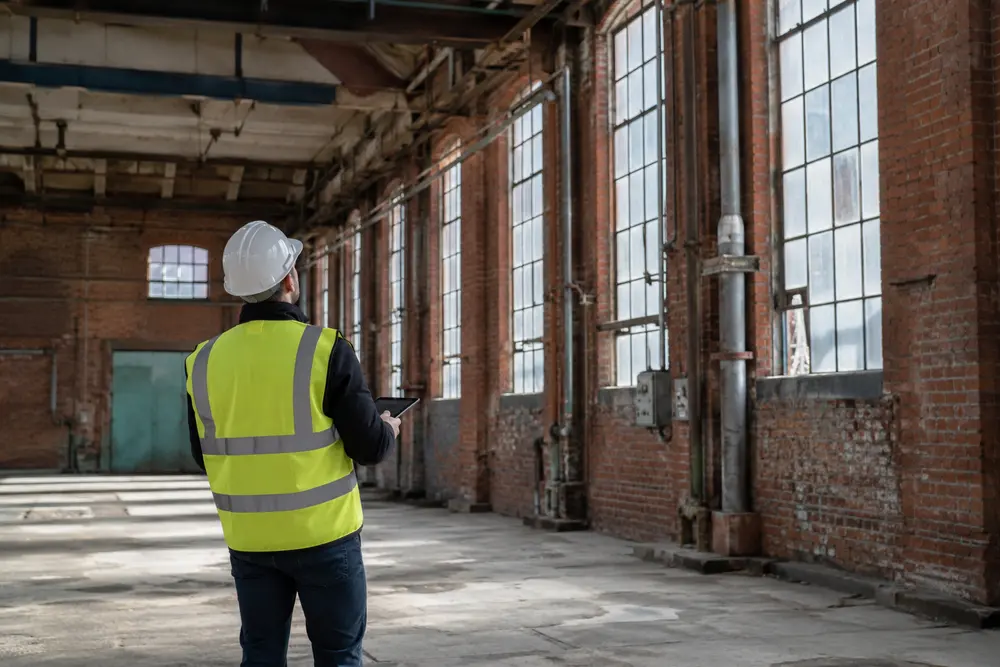
Asbestos Surveys
Know what is present, where it is and what your next project could disturb.Explore Service
Asbestos Testing
Targeted material identification for commercial property decisions. Sampled competently and analysed by an accredited laboratory.Explore Service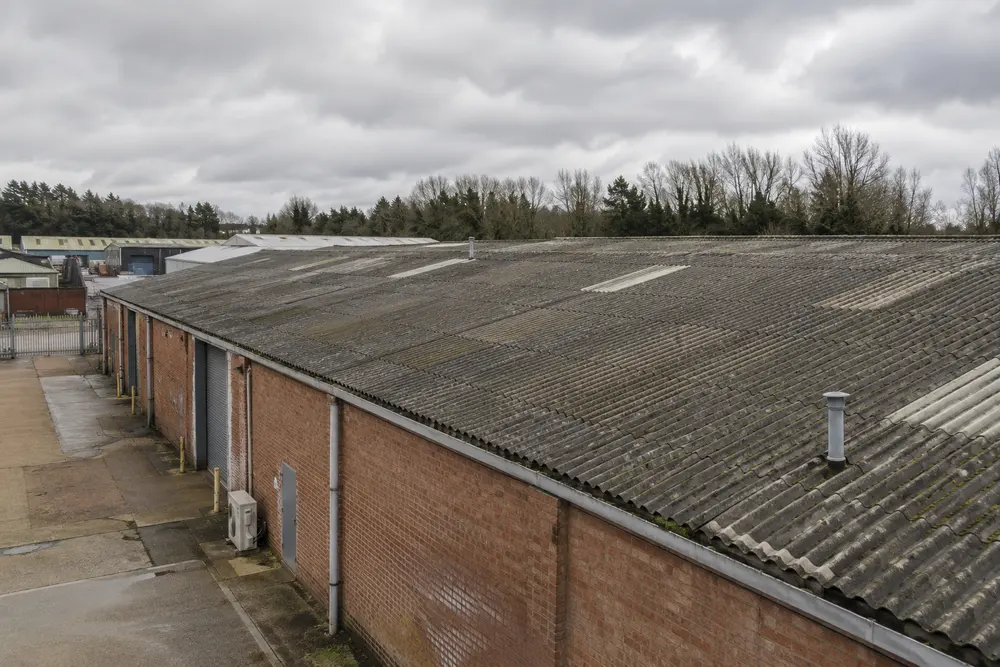
Asbestos Roof Removal
Controlled removal of asbestos cement roofing on warehouses, workshops and commercial outbuildings.Explore Service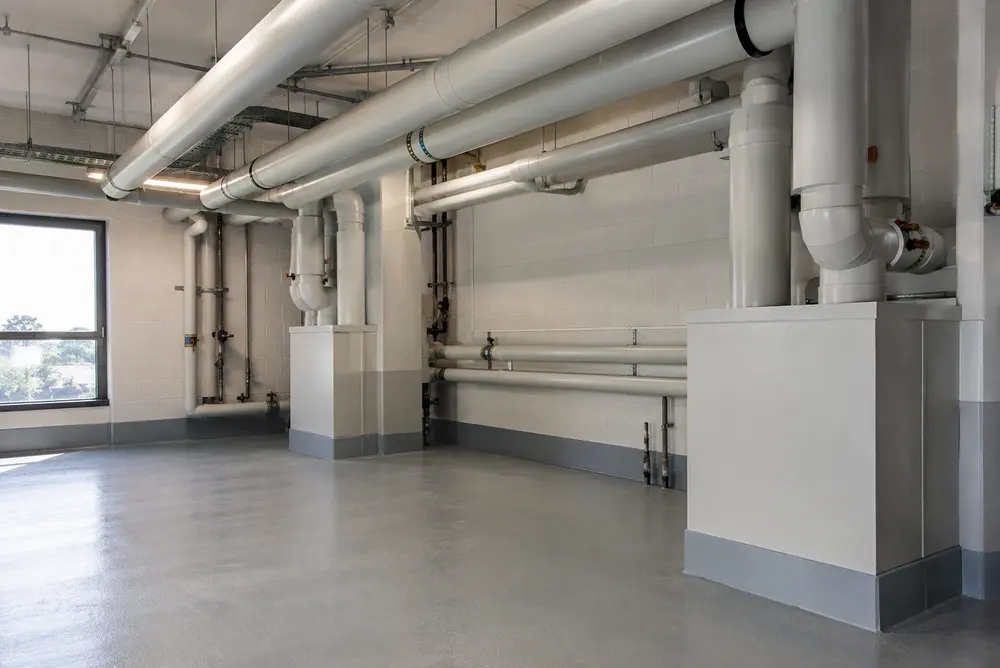
Asbestos Encapsulation
Retain suitable material under a documented management plan when removal is not the right immediate option.Explore Service
Asbestos Disposal
A defined route from your commercial premises to an authorised facility, with the paperwork to follow it.Explore ServiceWho Has The Duty To Manage Asbestos?
In England, regulation 4 of the Control of Asbestos Regulations 2012 places the duty to manage asbestos in non-domestic premises on those responsible for maintenance or repair. That may be an owner, landlord or another organisation with responsibilities under a lease or contract. Responsibility can be shared, so the lease and actual maintenance arrangements both matter.
The duty involves identifying or presuming asbestos, recording its location and condition, assessing exposure risk and implementing a management plan. Information must reach anyone who could disturb the material, including maintenance contractors. Commissioning a report is one step in that process, rather than completion of the whole duty.
Asbestos does not create an automatic legal requirement to remove everything from every building. Sound material that is unlikely to be disturbed can sometimes be managed in place. Damage, deterioration or planned work may make removal the appropriate choice.
For an occupied commercial site, the practical question is whether your records describe the materials people could encounter today. Alterations, changes of tenant and previously inaccessible areas can make an old report incomplete for a new task. Before authorising work, compare the scope with the current asbestos register and any survey limitations.
Removal, Encapsulation Or Management?
Removal takes the identified material out of the building under suitable controls. It is often needed where refurbishment or demolition would disturb asbestos, or where the condition and exposure risk make retention unsuitable. The scope should specify the material, boundaries, access and handover requirements.
Encapsulation protects suitable material while leaving it in place. It can support risk management where the substrate is sound and unlikely to be disturbed, but it still needs inspection and records. Covering damaged material without understanding its condition is not a reliable remedy.
Management in place requires an active system. Relevant staff and contractors need to know where material is, what restrictions apply and what to do if damage is discovered. Decide the route using the survey, the building's use and your future plans, then keep the reasoning with the property records.
Which Removal Category Applies?
The contractor must decide whether the proposed task is licensed, notifiable non-licensed or non-licensed work. Material type alone is not always enough to decide, because condition, duration and the way it will be disturbed also matter. A small task can still need specialist controls.
Higher-risk work, including many tasks involving pipe insulation, sprayed coatings and asbestos insulating board, needs an appropriately licensed contractor. Certain lower-risk tasks can be non-licensed, but that does not make asbestos awareness training alone sufficient for the people doing the work. Competence and a suitable work method are still needed.
Notifiable non-licensed work has extra notification, medical surveillance and record requirements. This category can apply to some removal of substantially damaged asbestos cement, for example. Ask for the classification and its basis before accepting a start date.
An asbestos removal licence is distinct from survey or laboratory accreditation and from waste carrier registration. Each supports a different part of the project. Check the credentials relevant to the actual service you are commissioning, rather than assuming one document covers every activity.

Commercial Manchester, From Mills To Modern Fit-Outs
Ancoats has former cotton mills beside the Rochdale Canal, as documented by Manchester City Council. These buildings illustrate why the original construction date cannot tell the whole story of a property that has had later services and finishes installed. A survey considers the materials present, rather than treating heritage status as proof of asbestos content.
Our coverage includes Manchester and nearby commercial locations across Greater Manchester. The access restrictions of a city office are different from those of a warehouse yard or an active school estate. Tell us about loading arrangements, occupied areas, shutdown periods and other contractors at enquiry stage.
For a landlord preparing a new lease, usable records can be as important as the immediate remedial work. For a fit-out contractor, matching the survey to the proposed strip-out is the priority. For a facilities manager, the key issue may be controlling repeated maintenance access to a service zone.
Five Stages. One Accountable Record.
Define the problem. Share the survey, sample references, location and reason for the work so the removal boundary can be understood. If evidence is missing, agree the investigation needed before a firm method is selected.
Agree the specification. Identify the material to be removed, access, occupied areas, isolations, waste handling and any independent analytical work. Write down exclusions and responsibilities for reinstatement so the quotation can be compared fairly.
Prepare the programme. Allow for notification where required, equipment installation and the time needed for inspection and clearance. Coordinate other contractors so nobody enters an area before it has been handed back.
Carry out the controlled work. The contractor follows the written plan, controls fibre release and manages access and waste. Unexpected materials or changes of condition need review before the method or scope changes.
Close the records. Obtain the relevant handover evidence, waste paperwork and clearance documents where applicable. Update the register to show what was removed, what remains and which areas were outside the agreed scope.
What Affects Asbestos Removal Cost In Manchester?
A meaningful asbestos removal quotation needs more than a floor area or a photograph. Material type, condition, accessibility and the required work category shape the method and resources. A high-level roof, an occupied service riser and a vacant floor each present different access and protection needs.
For licensed work, enclosure layout, decontamination arrangements and independent clearance can be significant parts of the scope. For roof projects, safe access, fragility precautions and coordination with replacement roofing may be central. Waste quantity, packaging and vehicle access affect the disposal arrangements.
Working hours and site restrictions also matter. A school may need a defined closure area, while an industrial site may need plant isolations and a carefully sequenced shutdown. Explain those constraints before quotations are prepared rather than adding them after the programme is agreed.
Ask what is included, what assumptions have been made and how unexpected material would be treated. Check whether reinstatement, making good and replacement fire protection are separate items. We do not publish generic rates because they can conceal important differences between commercial projects.
Evidence To Keep After The Work
Keep the agreed scope and the record of completed work with your building information. Where the project requires clearance certification, retain the relevant documents and understand what area they cover. A waste consignment note records a waste movement, rather than certifying that the entire building is free from asbestos.
The register should distinguish removed materials from those retained elsewhere. This is particularly important when only one floor, tenant unit or section of a roof has been treated. A later contractor should be able to see the boundary without reconstructing it from an invoice.
Hand the updated information to the people who authorise maintenance and alterations. If a new project reaches beyond the previous survey or removal scope, commission the further investigation needed. Records are most useful when they change how work is instructed on site.
Found Suspect Material During Work?
Stop the activity that could disturb the material and keep others away from the affected area. Do not sweep, use an ordinary vacuum cleaner or handle debris to tidy it up. Follow your site's incident arrangements and seek competent asbestos advice before work resumes.
If you already have an asbestos register, check the relevant entry without re-entering an unsafe area. Record what happened and which work was underway so the assessment can address the actual disturbance. The appropriate response depends on the material, condition and extent of possible contamination.
Our enquiry form is for arranging commercial services and is not an emergency response channel. If there is an immediate danger, use the appropriate emergency arrangements for your premises. Once access is controlled, the next step is a competent assessment and a defined plan for investigation or remedial work.
Your Questions, Answered
Must All Asbestos Be Removed From Commercial Buildings?
Asbestos in commercial buildings does not always need removal. Material in sound condition that is unlikely to be disturbed may be managed in place under a suitable plan. Removal becomes a different decision when material is damaged, exposure risks change or planned refurbishment will disturb it, so start with the survey and intended use.
Who Is Responsible For Asbestos In A Leased Building?
Asbestos responsibility in a leased commercial building depends on who has maintenance and repair obligations, and responsibility may be shared. Review the lease and actual arrangements rather than assuming it belongs only to the landlord or tenant. Relevant information needs to be shared so building users and maintenance contractors can avoid disturbing materials.
Do I Need A Survey Before A Commercial Fit-Out?
An asbestos survey before a commercial fit-out must address the materials the proposed work could disturb. A general management survey may not cover concealed areas behind ceilings, within walls or beneath floors. Give the surveyor the design and strip-out scope so the investigation can be matched to the project before intrusive work begins.
How Much Does Asbestos Removal In Manchester Cost?
Asbestos removal cost in Manchester depends on material, condition, access and the controls required for the task. Waste handling, working restrictions and any independent clearance also affect the scope. Send the survey and project details for a meaningful assessment, and compare quotations against the same specification rather than an unsupported price per square metre.
Can My Maintenance Team Remove Small Amounts?
Small amounts of asbestos still require a suitable assessment and competent personnel. The material and task determine the work category, rather than quantity alone. Asbestos awareness training does not train someone to carry out removal, and some small jobs still require a licensed contractor, so obtain competent advice before authorising your maintenance team.
What Documents Should I Receive After Removal?
Asbestos removal documents depend on the agreed work and its classification. Ask for the completed scope record, relevant waste paperwork and any required independent clearance or reoccupation certificate. Update your register with the removal boundary and remaining materials, then give the revised information to anyone who will authorise or carry out later work.
Can We Keep Trading During Asbestos Work?
Trading during asbestos work may be possible if the assessment supports effective separation from the work area. Access, ventilation, waste routes and emergency arrangements must be agreed before the programme is fixed. Some work requires areas to close or plant to be isolated, so explain operational constraints when requesting the quotation.
A Survey Report? A Planned Strip-Out? A Material In Question?
You do not need to know the removal method to make an enquiry. Start with what you know about the building.
For a defined project, include the survey references and access restrictions. If the concern is new, tell us where the material is and what prompted the question.
What To Include In Your Enquiry →